







Search Results for: shared coffee and tea room
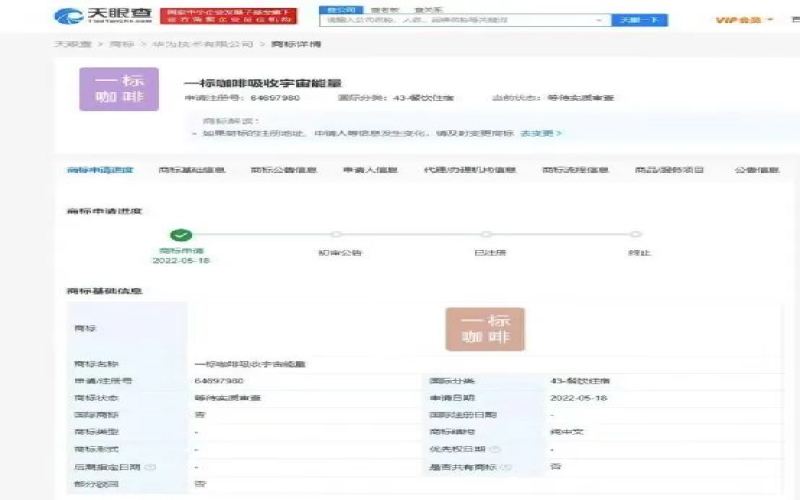
Huawei Exclusively Invests in Shared Coffee and Tea Space, Another Move in Its Coffee Strategic Layout
In recent years, the coffee sector has continued to heat up, with industry giants rushing in. Huawei Technologies Co., Ltd. previously applied to register the trademark "One Standard Coffee Absorbs Cosmic Energy"; although it has not opened physical stores, its coffee strategy has not stopped there. Recently, Huawei exclusively invested in a tens-of-millions-yuan angel round financing for Jiangsu Bageai Coffee Operation Co., Ltd., drawing attention. This 24-hour unattended shared coffee and tea room provides an independent third-party space, reflecting Huawei's judgment on future trends in intelligent perception and shared spaces. Coffee and tea here are more of an ancillary service, while what Huawei values may be coffee's connective value as a global medium. [more…]
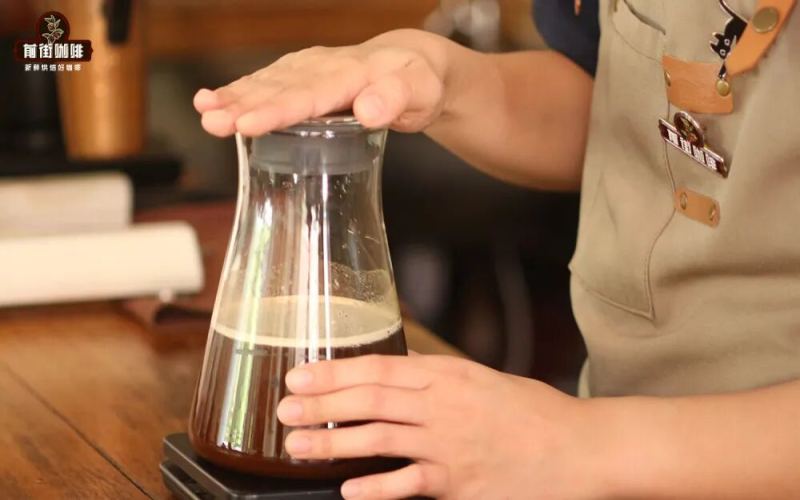
Differences in Cold Brew Coffee Made with Ice Water vs. Room Temperature Water and Front Street Coffee Bean Recommendations
Cold brew coffee is usually made by soaking coffee grounds in room-temperature water and then refrigerating to extract, but what difference does it make to use ice water? Through comparative experiments, this article analyzes in detail the differences between ice water and room-temperature water cold brew in flavor and extraction efficiency, and shares Front Street Coffee's bean recommendations and specific brewing parameters. Whether you are after a juicy feel or a rich, full-bodied taste, you can find a cold brew method that suits you. [more…]
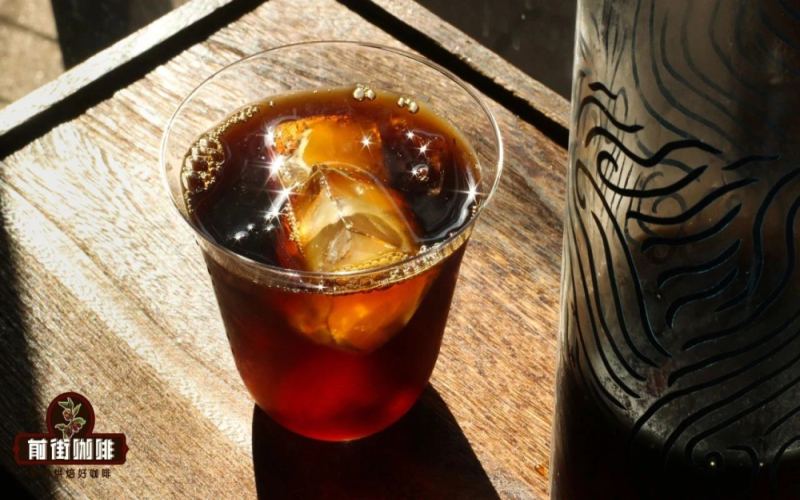
Warm Water Cold Brew Makes Coffee Sweeter: A Complete Guide to Making Cold Brew Coffee at Home
To enjoy a cup of cold brew coffee with outstanding sweetness at home, you actually don't need expensive equipment. Using 50 grams of coffee grounds as a baseline, Front Street Coffee shares the complete parameters from grind size and coffee-to-water ratio to refrigeration extraction time. Even more worth trying is using 40°C warm water instead of room-temperature water to make cold brew coffee—by relying on molecular thermal motion to accelerate the release of sweet and sour compounds, then transferring it to a low-temperature environment to inhibit the extraction of bitterness, you can get a full-bodied berry juice sensation and caramel sweetness in just 4 to 5 hours. This article records in detail the steps for warm-water cold brew, flavor comparisons, and storage suggestions, making it a useful reference for every enthusiast who enjoys refreshing cold coffee. [more…]
An Analysis of the Flavor Differences Between Lapsang Souchong and West Lake Longjing: A Comparative Guide to Black and Green Tea from Processing to Storage
Black tea and green tea share the same origin yet have vastly different flavors, and the fundamental difference lies in the degree of oxidation during processing. Black tea undergoes complete oxidation, presenting honey, caramel, and ripe fruit aromas; green tea, through fixation (kill-green), retains its fresh green character, with a light flavor carrying bean or nutty notes. The two teas also differ greatly in storage: green tea, due to its high moisture content and tendency to continue oxidizing, is best stored sealed and refrigerated; black tea is dry and stable, and can be kept sealed at room temperature for over a year. This article systematically sorts out the similarities and differences between black and green teas such as Lapsang Souchong and West Lake Longjing from four dimensions—tea plant varieties, production processes, storage key points, and taste characteristics—and includes Front Street Coffee's purchasing and preservation suggestions to help you better understand the tea in your cup. [more…]
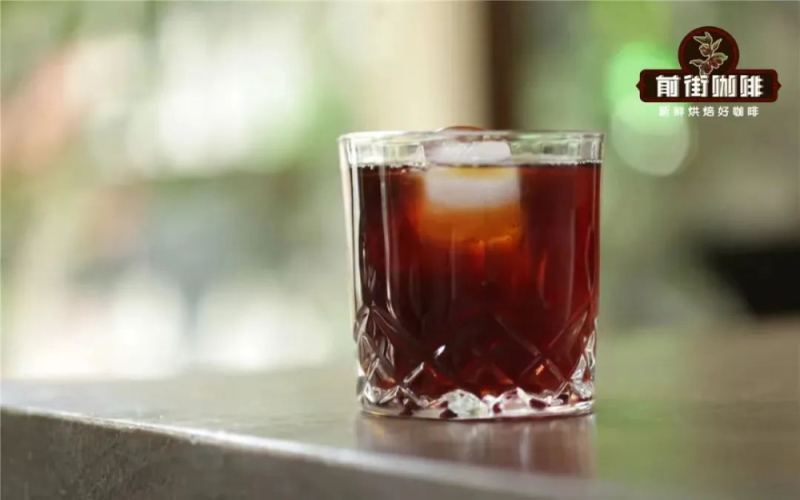
Making Cold Brew Coffee at Home in Summer: A Full Guide to Bean Selection and Simple Brewing Methods
On a scorching summer day, a glass of refreshing cold brew coffee is a favorite among many coffee lovers. Compared with iced pour-over, cold drip, or iced Americano, cold brew has a lower barrier to entry and can be easily made at home. This article starts with the extraction principles of cold brew, explains why light-to-medium roast coffee beans are more suitable for cold water immersion, and recommends a variety of Front Street Coffee beans, covering different flavor directions such as floral, berry, citrus, and creamy. It then breaks down in detail the coffee-to-water ratio, grind size, steeping time, and filtration steps, and answers common questions such as whether extraction can be done at room temperature and how long it can be stored refrigerated, so you can consistently make clean, full-bodied iced coffee at home. [more…]
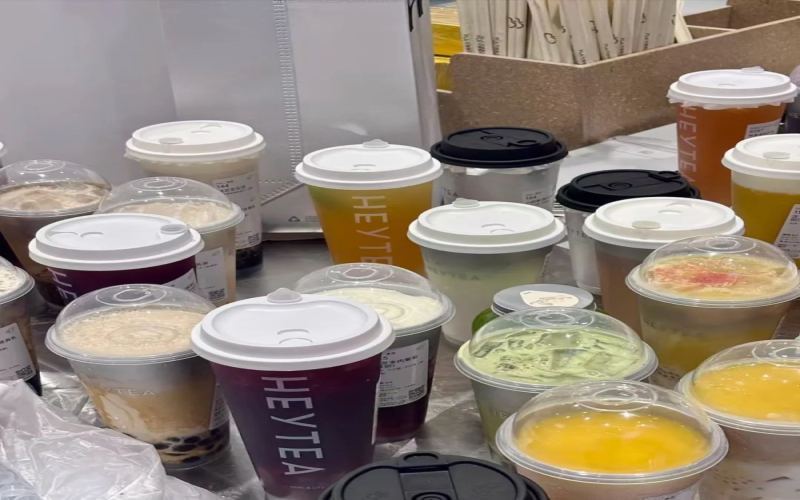
During the Spring Festival, milk tea orders surged by 180%, and store employees worked nonstop, saying they were overwhelmed.
During the Spring Festival holiday that just passed, milk tea sales nationwide surged by 180.4% year-on-year, with many consumers bringing milk tea and coffee to the New Year's Eve dinner table, replacing traditional alcoholic drinks and beverages. The surge in orders put chain tea beverage stores into high-intensity operation from New Year's Eve, with receipt printers at the front desk spewing orders nonstop, empty cups piling up like mountains on the preparation counters, and staff in the prep room peeling, juicing, and boiling ingredients without a moment's rest. Employees worked around the clock, some putting in 12-hour days for a full week straight, some so busy they had no time to drink water or use the restroom, and equipment frequently jammed or broke down. Facing customers and delivery riders clamoring for their orders, staff at the pickup station could only apologize repeatedly, mocking themselves as "sorry to everyone." This article takes you inside the Spring Festival tea shop frenzy and the real lives of these workers. [more…]
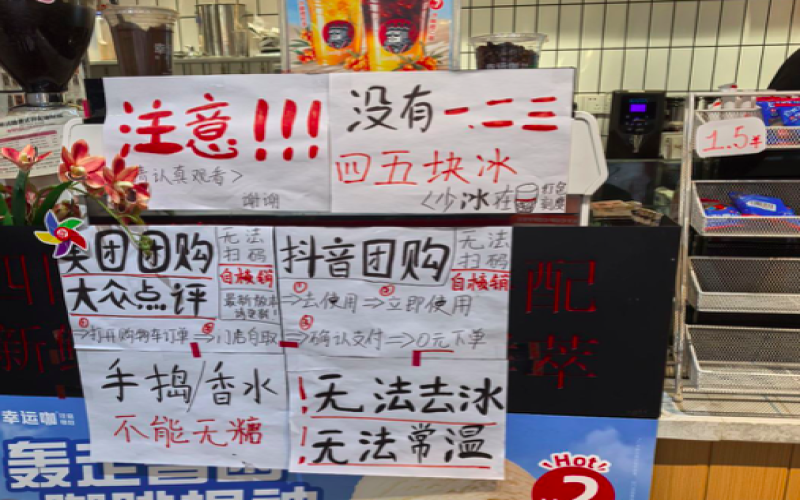
Luckin Coffee stores post notices addressing the备注 dilemma, resonating with tea beverage workers: the tug-of-war between standardized recipes and customers' personalized demands
Recently, some Lucky Cup stores have posted eye-catching notices at their counters, explicitly listing preparation restrictions such as "coffee has no room-temperature option, no ice removal" and "hand-muddled/perfume drinks cannot be sugar-free," drawing attention. In fact, similar friendly reminders appear at stores of multiple chain beverage brands, and staff members candidly admit: flexibly adjusting ice levels does not necessarily earn praise, but violating operating rules may lead to penalties. At the same time, some consumers give negative reviews due to changes in drink taste, putting frontline employees in a dilemma. This tug-of-war over formula standardization and personalized demands reflects the deep-seated contradiction in the chain beverage industry between unified output and accommodating consumer experience. [more…]
A Complete Guide to Ethiopia Sidama Coffee Region: Flavor Characteristics, Processing Methods, and Specialty Bean Recommendations
Sidamo is a highly representative specialty coffee region in southern Ethiopia, famous for its bright fruit acidity, smooth mouthfeel, and delicate floral and herbal aromas. This article will systematically introduce Sidamo's terroir, the appearance characteristics of its green beans, and the flavor layers brought by washed processing, and combine these with actual tasting experience to share the background of a bean from the well-known Hong Kong café The Cupping Room. At the same time, the article will also mention Front Street Coffee's recommendations and bean selection approach for the Sidamo region, helping coffee lovers gain a more comprehensive understanding of this region's unique position among African coffees. [more…]

Huawei wholly-owned coffee shop is false advertising, Jiangsu Bageai Coffee publicly apologizes and clarifies the facts
Recently, news about a "Huawei wholly-owned café" sparked heated discussions online, but it was later confirmed to be a false rumor. Jiangsu Bageai Coffee Operation Co., Ltd. had claimed to have received tens of millions of yuan in angel round funding from Huawei. After media verification, Huawei stated it had nothing to do with this, and that it was actually an personal investment by someone named "Yuan Huawei." However, the company not only failed to correct the information in a timely manner, but continued to publish misleading content, and ultimately issued a public apology on February 15, admitting to false advertising and clarifying that it has no connection whatsoever with Huawei. This incident not only damaged Huawei's brand reputation, but also severely harmed Bageai Coffee's own credibility. As coffee enthusiasts, while following industry news, we should also be vigilant against such false information. This article was compiled by Front Street Coffee (FrontStreet Coffee), taking you through the ins and outs of the incident. [more…]

Can stainless steel ice cubes be used to cool coffee? A practical test comparing their effect and usability against homemade ice cubes
When drinking iced coffee in summer, it tends to become diluted toward the end, so some people have thought of using stainless steel ice cubes instead of traditional ice. Are these reusable metal ice cubes really suitable for coffee? Front Street conducted an actual comparison test, analyzing the structure of stainless steel ice cubes, their cooling speed, and their impact on flavor. The results show that although stainless steel ice cubes have the advantage of not melting, their cooling effect is far inferior to homemade ice cubes, especially performing poorly in the ice pour-over step. The article also shares a pour-over plan using a mix of the two types of ice cubes, and explores why coffee shops rarely use stainless steel ice cubes. [more…]
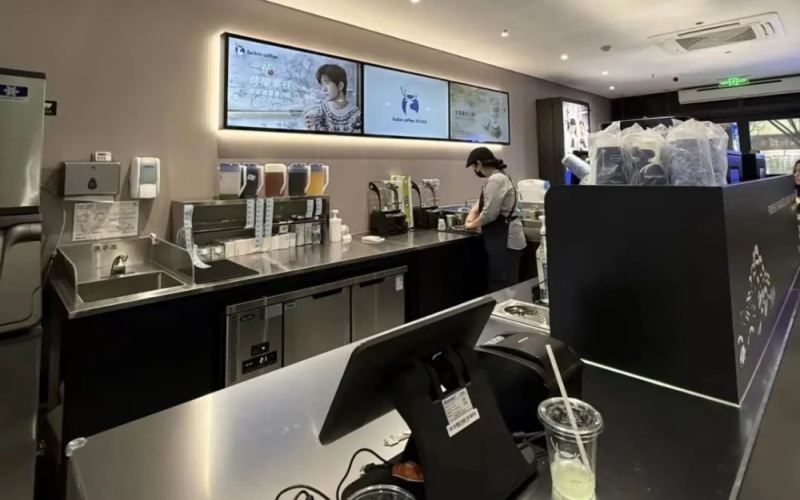
Luckin Coffee's hygiene inspection standards spark heated debate: employees complain about strict details, how difficult is it to clean the work area?
Luckin Coffee is known for its tidy stores, but recently many employees have spoken out on social media, reporting that quality control inspection standards are overly meticulous, with strict deductions even for hard-to-reach corners such as pipes along walls and dust on chandeliers. From rusted screws on paper towel dispensers to loose threads on aprons, the tediousness of the inspection items has sparked complaints from workers, who bluntly say they are expected to "clean the prep area like an operating room." This article will sort out the focal points of the controversy over Luckin's hygiene inspections, explore whether, under existing store decoration conditions, the requirement of spotlessness is realistic, and present employees' complex attitudes toward food hygiene inspections. [more…]
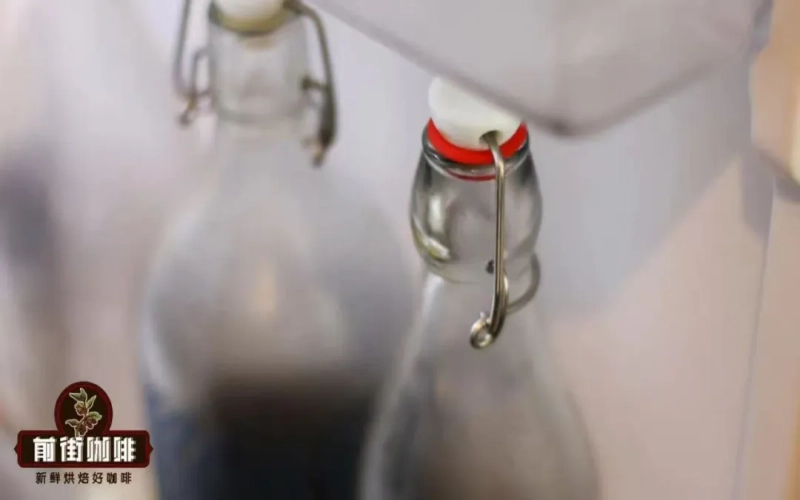
How to Make Delicious Cold Brew Coffee: Single-Origin Bean Selection Ideas and Brewing Parameters Explained
Cold brew coffee is made in a special way and needs to be prepared a day in advance, so cafes usually do not offer as many bean choices as they do for pour-over. This article focuses on the brewing method and water-to-coffee ratio parameters for cold brew, starting with Front Street Coffee's cold brew procedure: using 50 grams of coffee grounds as the base, with a grind size referencing an 85% pass rate through a No. 20 standard sieve, paired with 400 milliliters of room-temperature water and 200 grams of hard ice cubes, at a coffee-to-water ratio of 1:12, left to steep in the refrigerator for 12 to 24 hours before filtering, then refrigerated for about 4 hours before drinking. It then combines the characteristics of cold brew—not bitter, mildly acidic, mellow in flavor, and with a low-temperature aging and fermentation feel—to share directions for selecting single-origin beans suitable for cold brew, including washed process and Geisha (T2722), and gives specific recommendations from Front Street Coffee's bean list. [more…]
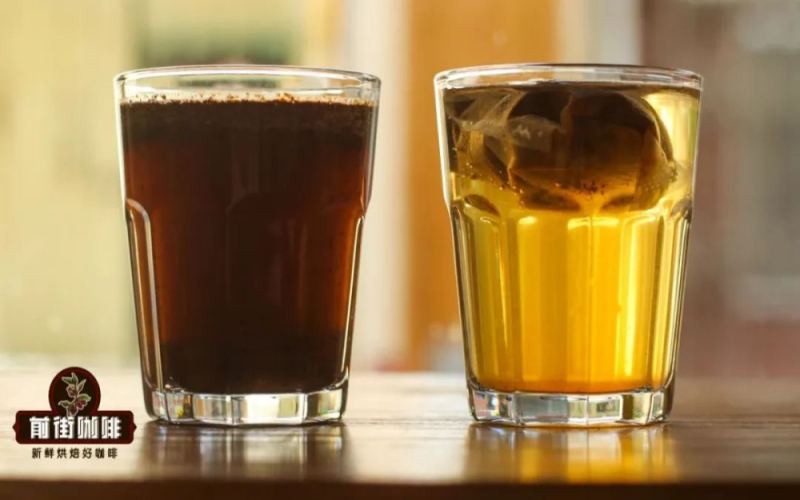
The Complete Guide to Cold Brew Coffee: From Bean Selection to Parameters, Teaching You to Make Clean and Sweet Iced Coffee
On a scorching summer day, a glass of icy, clean cold brew coffee is undoubtedly a refreshing treat. Unlike iced coffee drinks such as cold drip or affogato, cold brew is made by steeping coffee grounds in cold water for an extended period and then filtering—simple to make, yet full of subtle details. This article will systematically explain how to make cold brew coffee from the perspectives of bean selection, grind size, coffee-to-water ratio, brewing temperature, and time, while sharing Front Street Coffee's practical parameters and troubleshooting experience for common issues, helping you easily craft a balanced, richly flavored homemade cold brew. [more…]
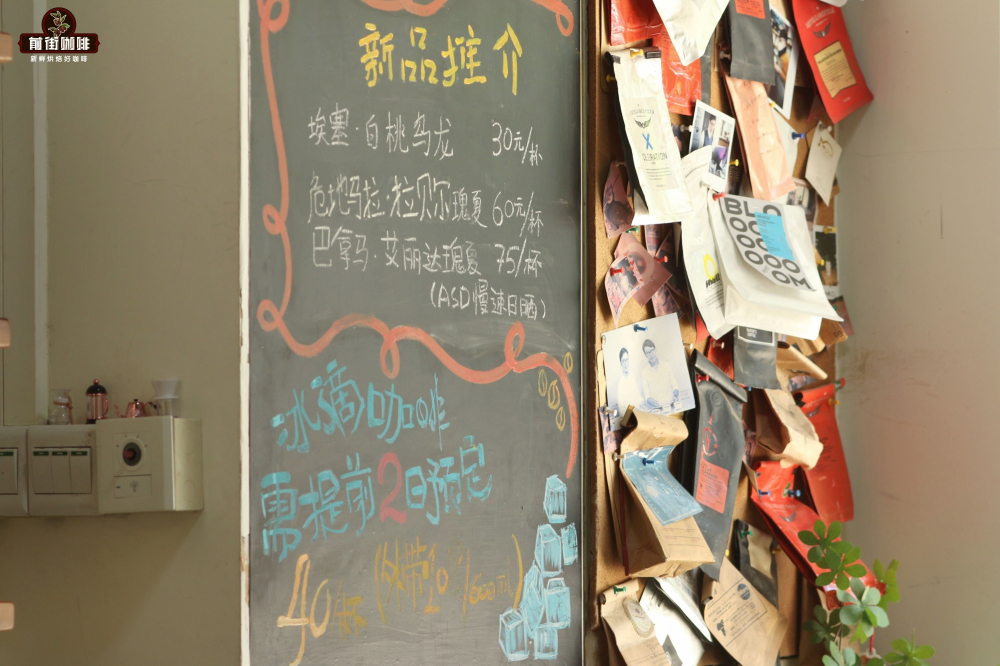
Iced Coffee Beginner's Guide | For Kenyan Cherry Cold Brew, should you steep at room temperature or in the fridge? How long should cold brew coffee steep? How do you make cold drip coffee?
For more professional coffee knowledge and more coffee bean information, please follow Front Street Coffee (FrontStreet Coffee). As handsome guys and pretty girls living in cities like furnaces, cold drinks are a must-have in the fridge. Cold brew coffee can satisfy both the handsome guys' and pretty girls' craving for cold drinks and their desire for coffee. [more…]
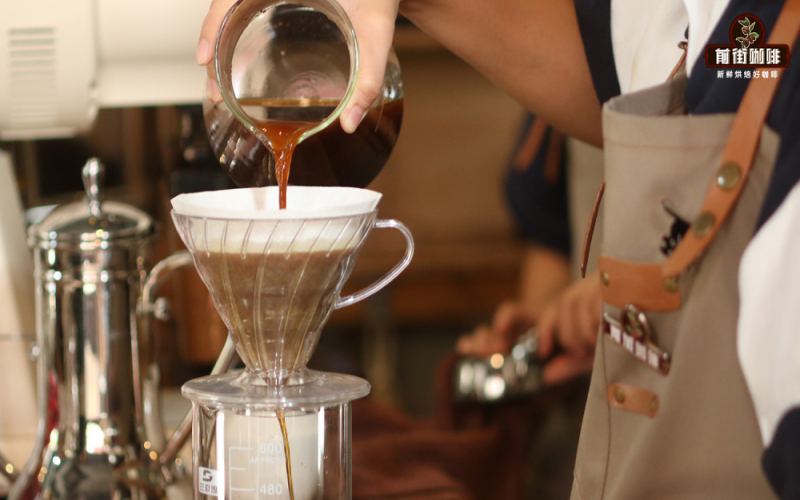
The Complete Guide to Making Cold Brew Coffee at Home: Extraction Parameters, Bean Selection, and Storage Tips All in One Place
In the heat of summer, a refreshing glass of cold brew coffee has become a favorite among many coffee lovers. Compared with buying it at a coffee shop, making cold brew at home is actually not complicated—just master the coffee-to-water ratio, grind size, and steeping time, and you can easily make a cup of iced coffee with a clean flavor and balanced taste. So what beans should you choose for cold brew? How long is the ideal steeping time? And how many days can it be stored after it is made? Based on Front Street Coffee's hands-on experience, this article shares in detail the method for making cold brew coffee, recommended bean list, and the correct ways to drink and store it, helping you achieve cold brew freedom this summer. [more…]
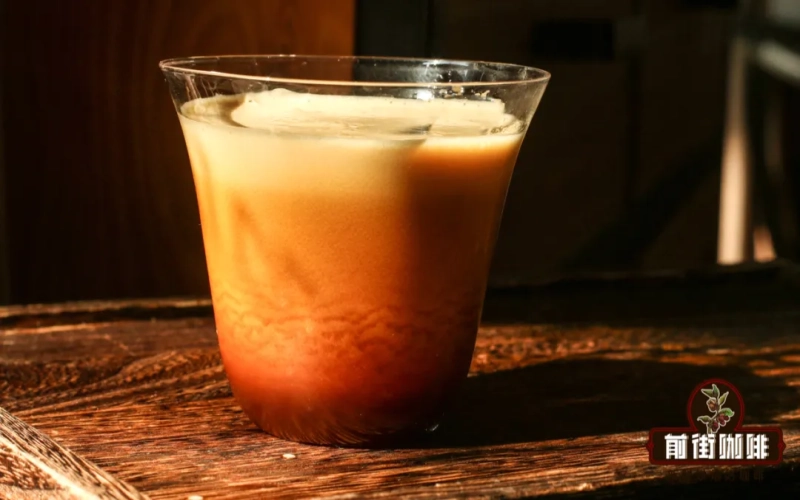
Full Guide to Making Flowing Iced Americano: Three Whipping Methods and Ice-to-Water Ratios Explained
The Start of Winter in Guangdong often feels like a mere formality—after a brief cooldown, the heat quickly returns, so the demand for iced coffee naturally stays high. As a classic heat-beating staple in cafés, iced Americano and its creative variations also attract plenty of attention. Among them, the "quicksand iced Americano" has recently been the item most frequently asked about by customers at Front Street Coffee locations. Although Front Street Coffee does not sell this product, its production principle is in line with that of iced Americano, with the only difference being the technique. This article will begin with the formation principle of the quicksand effect, then introduce in detail three different frothing methods—the espresso machine steam wand, the shaker, and the French press—and provide the specific ratios of coffee liquid, ice cubes, and water required for each. At the same time, it will also share espresso bean choices suitable for making iced Americano, including Front Street Coffee Huakui SOE, Front Street Coffee Grana Geisha SOE, and several blends, to help everyone recreate this distinctive deliciousness at home. [more…]
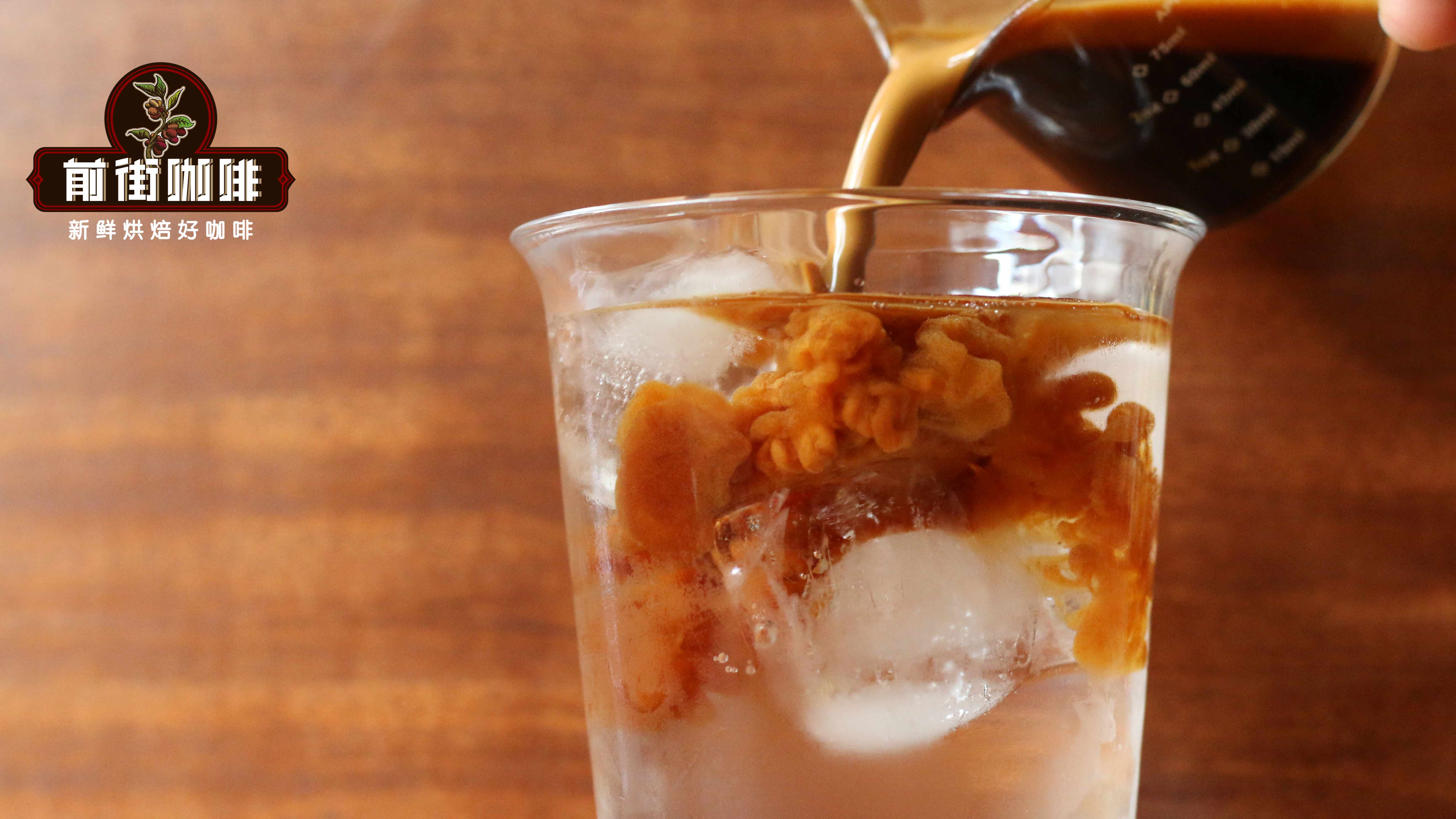
Make Starbucks Nitro Cold Brew at Home: A Detailed Guide to Nitro Cold Brew and Sparkling Black Coffee Recipes
On a scorching summer day, a glass of icy coffee always refreshes the spirit. When Starbucks introduced Nitro Cold Brew in North America years ago, its dense foam and creamy smoothness—created by infusing nitrogen—quickly won the hearts of many coffee lovers. So can this unique coffee experience be recreated at home? This article will explain in detail how to make cold brew coffee, breaking down everything from bean selection and grind ratio to the cold extraction steps, and share two practical methods for making nitro cold brew at home, so you can easily enjoy the refreshing flavor of bubbles interwoven with cold brew. [more…]
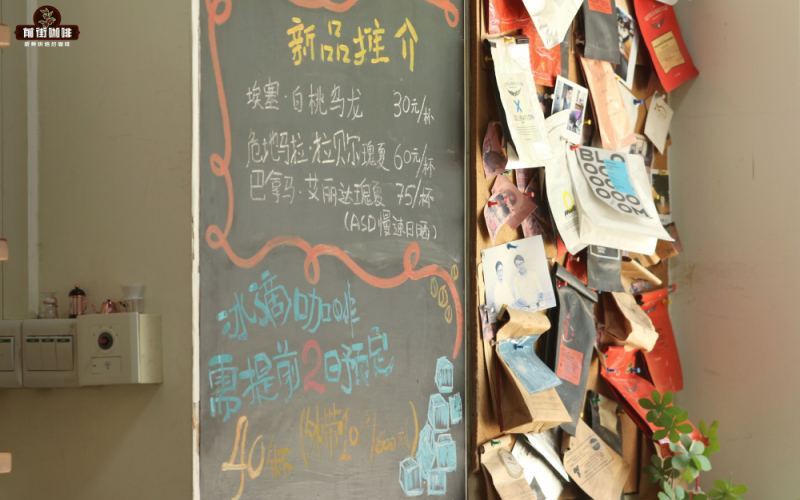
Cold brew coffee steeping time and temperature selection: ice drip vs. cold brew methods, flavor differences, and Front Street Coffee's measured data
Making cold brew coffee at home can both beat the heat and save you quite a bit of money. Cold brew actually falls into two categories: cold water immersion and ice water drip, namely cold brew coffee and ice drip coffee. This article first introduces the complete process and parameters for making ice drip coffee at Front Street Coffee stores, including coffee dose, grind size, coffee-to-water ratio, and extraction time, and recommends a suitable Kenyan bean; then it explains the simpler cold brew method and tea bag technique. Regarding the two common questions of how long cold brew coffee should steep and whether to leave it at room temperature or in the fridge, the article gives Front Street's conclusions from comparative tests at 4, 8, 12, and 24 hours to help you adjust the extraction plan according to your taste. [more…]
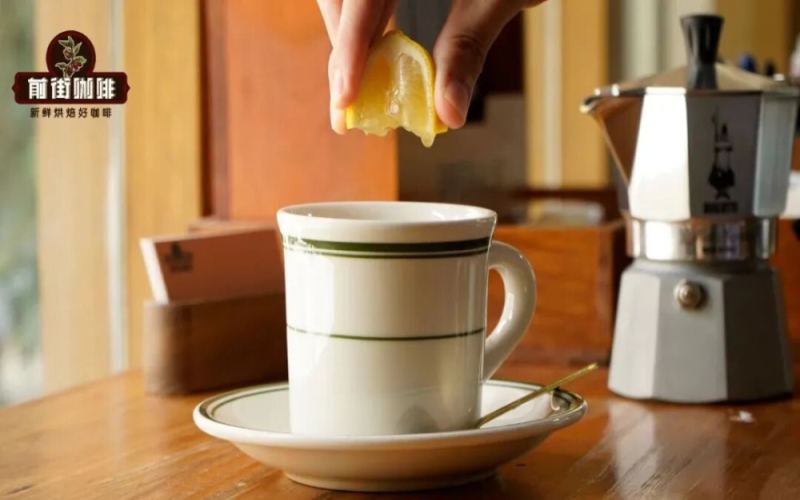
What Is Sicilian Coffee? A Complete Guide to Making Lemon Coffee with Cold Brew, Pour-Over, and Drip Bags
Lemons have always played an important role in Front Street's articles. They not only frequently appear in coffee bean flavor descriptions, but are also a core element of many creative specialty drinks, responsible for bringing fresh aroma and bright acidity. This Spring Festival, Front Street discovered a new pairing of coffee and lemon—Sicilian coffee. This drink has simple ingredients and high playability, with a very prominent lemon aroma. Although the name carries Italian flair, Sicilian coffee does not originate from Sicily, Italy, and there are varying accounts of its origin. This article will introduce the background of Sicilian coffee and share in detail three brewing methods: cold brew, pour-over, and drip bag. The coffee beans used are all from Front Street. Guodingding, allowing you to experience the refreshing charm of the fusion of lemon and coffee. [more…]
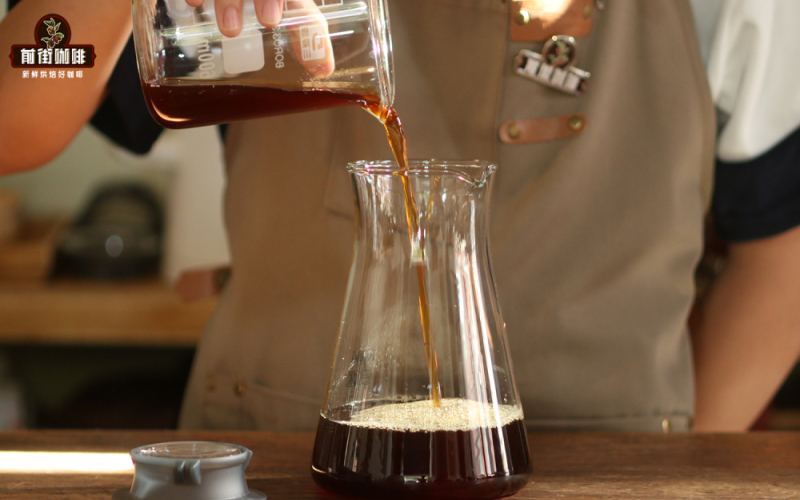
What's the Difference Between Cold Brew Coffee and Iced Americano? A Full Breakdown of Low-Temperature Extraction Flavor Characteristics, Cold Brew Making, and Storage
Although cold brew coffee and iced Americano are both iced coffee drinks, the core difference lies in the extraction temperature: cold brew uses low-temperature long-steeping, while iced Americano is hot espresso diluted with water and then poured over ice. Low-temperature extraction reduces the release of bitter compounds while fully preserving the sweet and sour flavors, so cold brew tastes cleaner and fuller; Americano, on the other hand, is rich, bold, and robust. This article explains in detail the brewing principles and flavor differences of the two, and shares a cold brew coffee brewing tutorial, suitable coffee bean choices, and storage period recommendations, helping you understand and make cold brew coffee more professionally. [more…]